
Aggression vs. Reactivity in Dogs
- Tyerell Silva
- May 24
- 3 min read

Understanding the Difference
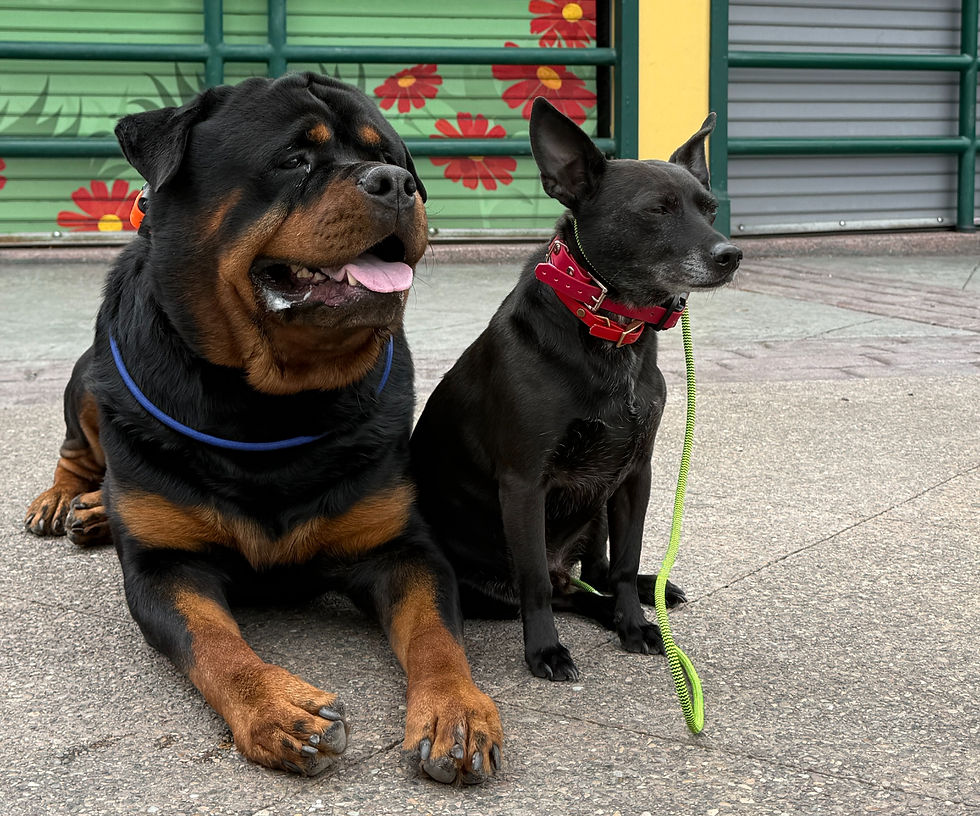
When a dog barks, lunges, growls, or explodes at another dog or person, many people immediately label the behavior as “aggression.” In reality, true aggression and reactivity are not the same thing — and understanding the difference is one of the most important steps in helping a dog successfully work through these behaviors.
At Silva’s Dog House, we work with many dogs in the Missoula area who struggle with leash reactivity, fear-based behaviors, over-arousal, frustration, or social challenges. One of the biggest misconceptions we see is assuming every reactive dog is aggressive.
What Is Reactivity?
Reactivity is an exaggerated emotional response to a trigger. That trigger could be another dog, a stranger, bicycles, cars, wildlife, loud noises, or even excitement around play.
Reactive dogs often bark, whine, lunge, spin, pull, or become hyper-focused when they see something that overwhelms them emotionally. While the behavior may look intense, reactivity is usually driven by emotions like:
Fear
Anxiety
Frustration
Overexcitement
Lack of confidence
Unclear communication
Many reactive dogs are not trying to harm anyone. Instead, they are struggling to process the situation calmly.
For example, a dog barking and lunging at another dog on leash may actually want distance because they feel nervous or trapped. Another dog may react because they are overly excited and frustrated they cannot greet the other dog.
This is why proper evaluation matters. The behavior itself is only the symptom — understanding the emotion behind it is what helps create lasting progress.
What Is Aggression?
Aggression is behavior intended to threaten, intimidate, or potentially cause harm. While aggression can sometimes stem from fear or insecurity, truly aggressive behavior is typically more intentional and less emotional than reactivity.
Aggressive behaviors may include:
Biting or attempting to bite
Snarling with intent
Guarding resources
Redirecting onto handlers
Persistent threatening behavior without recovery
Aggression is often more calculated, while reactivity tends to be more explosive and emotional.
That said, reactivity can develop into aggression if it is ignored or handled improperly over time. A dog repeatedly pushed beyond their comfort level may eventually stop using warning signals and move directly to defensive behavior.

Why Labels Matter
Calling every reactive dog “aggressive” can create unnecessary fear and frustration for owners. It can also lead people toward the wrong training approach.
Dogs struggling with fear, anxiety, or overstimulation do not usually need punishment or intimidation. They need:
Clear communication
Structure
Confidence building
Fair accountability
Controlled exposure
Consistency
Balanced dog training focuses on helping the dog understand how to make better choices while also addressing the emotional side of the behavior.
At Silva’s Dog House, we believe training should focus on communication and clarity, not simply suppressing behaviors. A dog that learns to stay calm, think clearly, and trust guidance is far more successful long-term than a dog that is only being corrected for reacting.
Can Reactive Dogs Improve?
Absolutely.
Many reactive dogs can make incredible progress with proper training, consistency, and owner involvement. Some dogs may never become “dog park dogs,” and that is okay. Success does not always mean becoming overly social — it often means being able to exist calmly and safely in the world.
We regularly work with dogs throughout Missoula and surrounding areas on:
Dog reactivity
Leash reactivity
Fear-based behaviors
Confidence building
Public neutrality
Reliable obedience around distractions
The goal is not to shut the dog down. The goal is to help them become calmer, more stable, and more capable of making good decisions even in difficult environments.
Final Thoughts
Aggression vs. Reactivity in Dogs can sometimes look similar on the surface, but understanding the difference changes everything about how the behavior should be approached.
A reactive dog is often overwhelmed emotionally. An aggressive dog is displaying behavior intended to threaten or cause harm. Both situations deserve professional guidance, but they require thoughtful handling and individualized training plans.
If your dog struggles with reactivity, fear, or behavioral challenges, early intervention can make a huge difference. The sooner dogs learn healthier coping skills and clearer communication, the more successful they tend to be long-term.
At Silva’s Dog House, we proudly help dogs and owners throughout Missoula and the surrounding areas build better communication, confidence, and real-world reliability through balanced dog training.


Comments